Every roofing business has unique risks — but the right protection keeps your projects moving forward and your business financially secure.







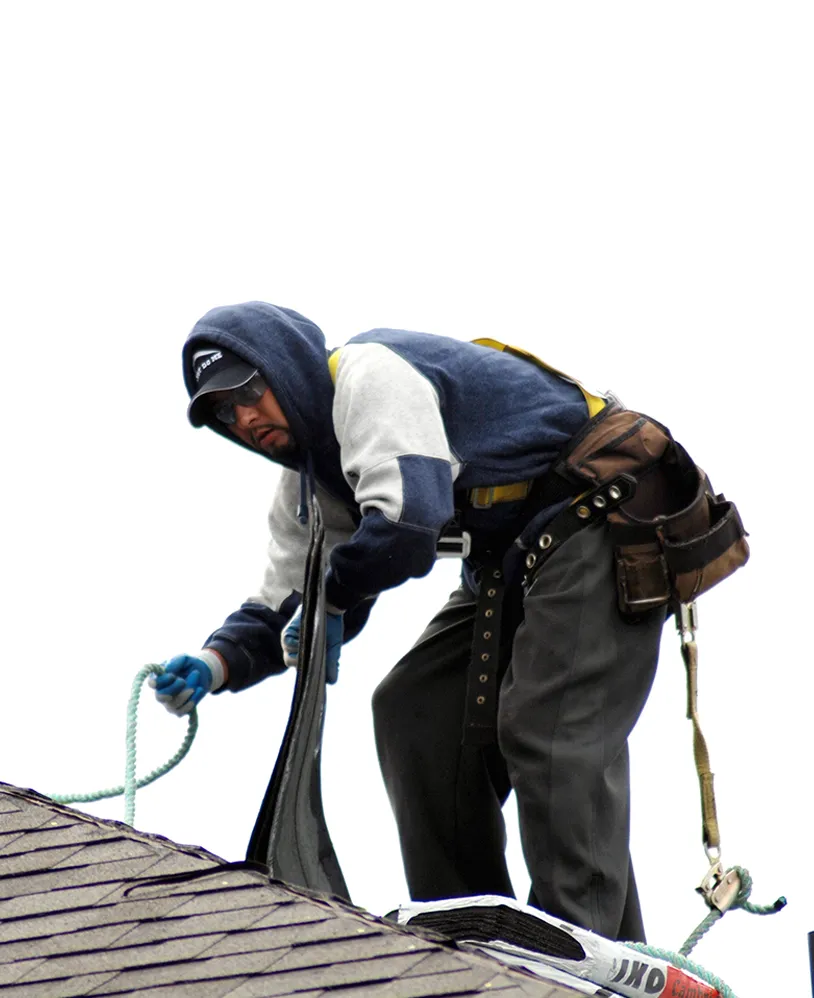
Roofing insurance is crucial because roofers work at heights, handle heavy materials, and face higher job-site risks than most trades. Without proper coverage, even a single accident, property damage claim, or weather-related loss can become extremely costly for the business. The right roofing insurance helps you stay compliant, win more jobs, and protect your company from unexpected financial setbacks.
Roofing work is high-risk — heights, power tools, and unpredictable job sites all increase exposure to injuries and property damage. That’s why roofers need insurance coverage tailored to the unique risks of working on roofs every day. With the right policies in place, your business stays protected from financial setbacks while meeting client and licensing requirements.
Even a small mistake on a roof can become a major expense. Coverage designed for roofing businesses helps you:
• Meet project and contract requirements
• Reduce out-of-pocket costs from job-site accidents
• Protect workers and customers
• Maintain business stability during unexpected claims
The right coverage safeguards your team, your tools, and your reputation — allowing you to focus on completing quality work safely.
Roofing operations rely on vehicles, equipment, and specialized labor — all areas where risk can appear fast. A strong insurance plan for roofers typically includes:
• General Liability: Protects against property damage or injuries caused during your work.
• Workers' Compensation: Covers employees if they’re injured on the job.
• Commercial Auto: Covers trucks and vehicles used for job-site materials and transport.
• Inland Marine: Protects mobile tools like nail guns, ladders, compressors, and safety gear.
• Business Owner’s Policy (BOP) – Combines key business coverages into one policy.
These policies work together to help keep your business financially secure from everyday hazards in the roofing field.
Connect with an advisor to secure coverage that actually fits your business.